


Car Servicing for Hybrid Vehicles: 2025 Guide for Every Driver

Hybrid vehicles are everywhere on British roads these days, but many drivers still have no clue just how different their servicing needs are compared to regular cars. Here is something most people miss. Only 12 percent of automotive technicians in the UK are fully qualified to service hybrids properly. Picking the wrong garage is not just a minor oversight, it could end up costing thousands and cut your battery life short.
Table of Contents
Quick Summary
Takeaway | Explanation |
Specialized Maintenance Requirements | Hybrid vehicles require unique servicing that prioritises high-voltage system care, advanced regenerative braking inspections, and integrated powertrain diagnostics, necessitating specialized technician training and equipment. |
Regular Battery and Electrical Monitoring | Battery health is crucial; regular checks on capacity, thermal management systems, and electrical connections can extend battery life by up to 25%, reducing replacement costs long-term. |
Choosing Certified Service Providers | Selecting garages with certified technicians for hybrid vehicles is essential to ensure they have the necessary high-voltage safety certifications and advanced diagnostic capabilities tailored for hybrids. |
Understand Service Frequencies and Costs | Hybrids typically need servicing annually or every 12,000 miles, with costs varying based on the vehicle model and specific service requirements; budgeting for specialised battery checks is also advised. |
Prioritise Comprehensive Inspections | Comprehensive safety checks should include tyre pressure, brake condition, and electrical system diagnostics at least biannually, especially for vehicles under heavy use or extreme conditions. |
How Hybrid Vehicle Servicing Differs
Hybrid vehicles represent a sophisticated fusion of traditional combustion engines and electric powertrains, creating unique maintenance requirements that set them apart from conventional vehicles. Understanding these differences is crucial for drivers seeking optimal performance and longevity.
Specialized High-Voltage System Maintenance
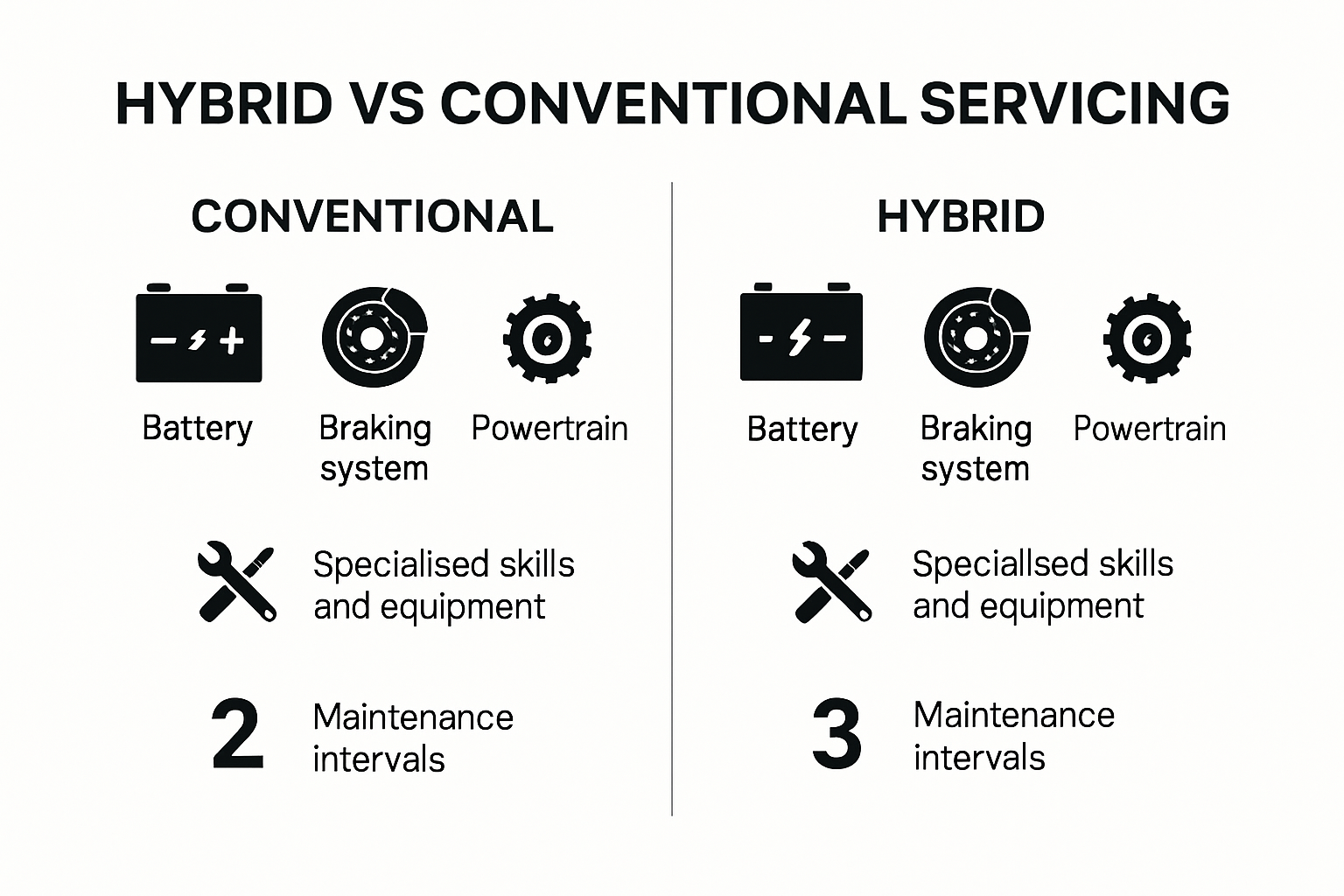
The most significant distinction in hybrid vehicle servicing lies in the complex high-voltage electrical system. Unlike standard vehicles, hybrids feature intricate battery networks that demand specialized diagnostic approaches. Explore our comprehensive vehicle diagnostics to understand the nuanced care these systems require.
According to government guidelines, hybrid vehicles require technicians with specific high-voltage safety certifications. These professionals must use specialized equipment to safely inspect and maintain battery systems that operate at significantly higher voltages than traditional car electrical systems.
The battery health represents a critical aspect of hybrid vehicle maintenance. Technicians perform detailed assessments including:
Battery Cell Analysis: Checking individual cell performance and potential degradation
Thermal Management Inspection: Evaluating cooling systems that protect battery integrity
Electrical Connection Diagnostics: Ensuring all high-voltage connections remain secure and corrosion-free
Advanced Regenerative Braking System Care
Hybrid vehicles incorporate a unique regenerative braking system that fundamentally differs from traditional brake mechanisms. This system captures kinetic energy during deceleration and converts it into electrical energy to recharge the vehicle’s battery. Servicing these systems requires a nuanced understanding of both mechanical and electrical components.
Research from automotive engineering experts indicates that regenerative braking systems experience different wear patterns compared to conventional braking. Technicians must evaluate:
Brake pad condition specific to hybrid vehicle designs
Electronic brake system calibration
Energy recovery efficiency
The complexity demands more frequent and detailed inspections than standard vehicle brake systems. Mechanics must understand the intricate interplay between mechanical braking and electrical energy recuperation.
Integrated Powertrain Diagnostics
Hybrid vehicles feature an integrated powertrain that combines internal combustion engines with electric motors. This sophisticated system requires comprehensive diagnostic approaches that go beyond traditional mechanical assessments. Technicians must use advanced computerized diagnostic tools to evaluate:
Electrical system performance
Hybrid drivetrain synchronization
Battery-engine energy management
According to automotive technology research, hybrid vehicle servicing requires up to 40% more diagnostic time compared to conventional vehicles. This additional complexity translates to more specialized maintenance requirements and potentially higher service costs.
Drivers must recognize that hybrid vehicle servicing is not merely an extension of traditional car maintenance but a specialized field requiring extensive technical knowledge and sophisticated diagnostic equipment. Choosing a garage with certified hybrid vehicle technicians becomes paramount for ensuring your vehicle’s long-term performance and reliability.
By understanding these unique servicing requirements, hybrid vehicle owners can proactively manage their vehicle’s maintenance, ultimately protecting their investment and ensuring optimal efficiency.
Essential Maintenance Checks for Hybrids
Maintaining a hybrid vehicle requires a comprehensive approach that addresses both traditional automotive systems and advanced electrical components. Regular maintenance ensures optimal performance, longevity, and safety for your hybrid vehicle.
Battery Health and Electrical System Monitoring
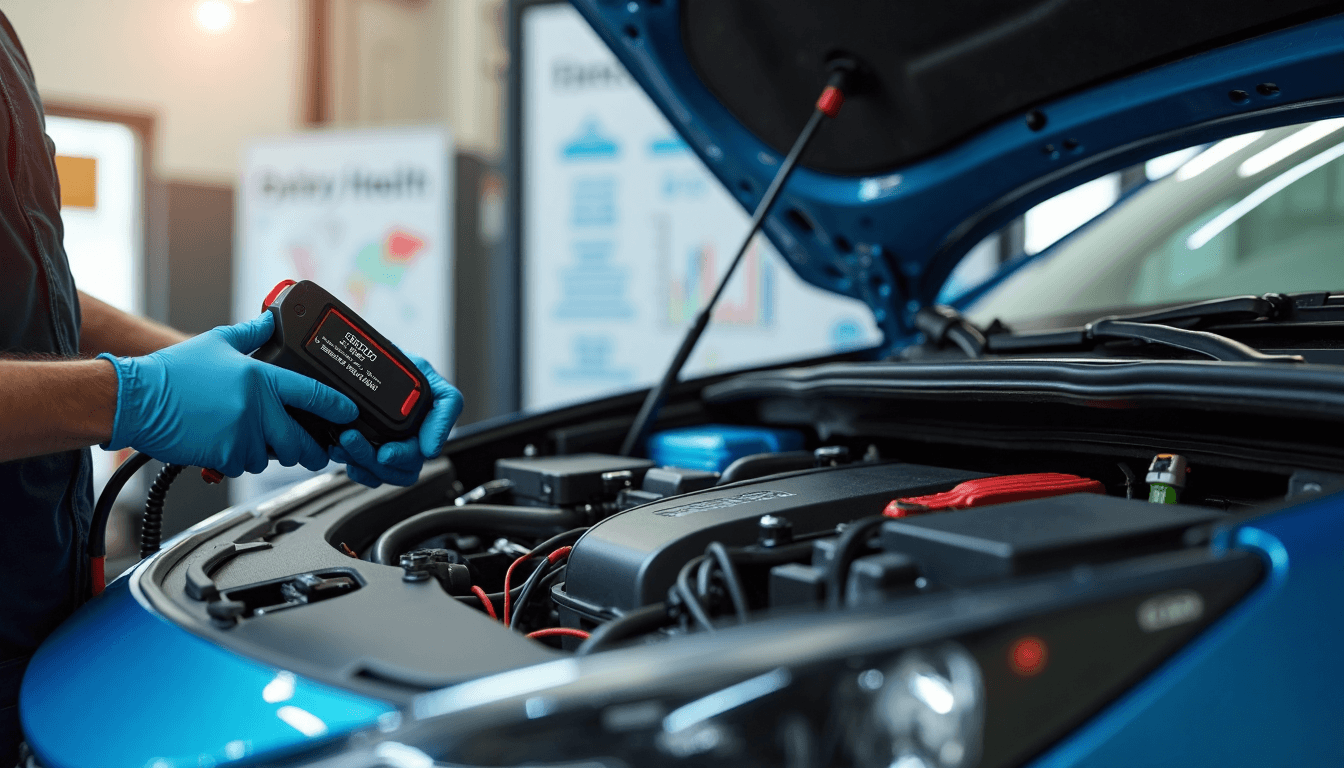
The heart of any hybrid vehicle is its sophisticated battery system. Unlike conventional cars, hybrids demand specialized battery health assessments that go beyond standard electrical checks. Learn more about our comprehensive vehicle diagnostics to understand the intricate nature of hybrid maintenance.
According to government transportation guidelines, hybrid vehicles require specific electrical system inspections. Technicians must carefully evaluate:
Battery State of Health: Assessing overall battery capacity and performance
Thermal Management Systems: Checking cooling mechanisms that protect battery integrity
Electrical Connection Integrity: Inspecting high-voltage connections for potential wear or corrosion
Research from automotive engineering experts suggests that proactive battery monitoring can extend a hybrid vehicle’s life by up to 25%, potentially saving owners significant replacement costs.
Comprehensive Powertrain Maintenance
Hybrid vehicles present a unique maintenance challenge with their integrated powertrain system. This complex setup combines a traditional internal combustion engine with electric motor components, requiring a more holistic approach to vehicle servicing.
Drivers should prioritize:
Regular oil changes for the internal combustion engine
Transmission fluid checks
Brake system inspections, including regenerative braking components
Coolant system evaluations
According to nationwide vehicle maintenance research, hybrid vehicles typically require more nuanced servicing intervals compared to traditional vehicles. The intricate balance between electric and combustion power systems demands expert attention.
Critical Safety and Performance Checks
Safety remains paramount in hybrid vehicle maintenance. Health and safety guidelines recommend comprehensive daily and periodic inspections that go beyond standard automotive checks.
Essential safety checks include:
Tyre pressure and tread depth
Brake pad condition
Electrical system diagnostics
High-voltage system insulation integrity
Fluid level inspections
Research indicates that hybrid vehicles have unique wear patterns due to their complex powertrain. Owners should schedule professional inspections at least twice annually, with more frequent checks for vehicles under heavy use or extreme driving conditions.
Understanding these maintenance requirements is crucial. Hybrid vehicles represent a technological marvel that combines traditional automotive engineering with cutting-edge electrical systems. By following a rigorous maintenance schedule and working with certified hybrid vehicle technicians, owners can ensure optimal performance, safety, and longevity.
Remember, preventative maintenance is not just about avoiding repairs—it’s about maximizing your hybrid vehicle’s efficiency, performance, and overall value. Choose a service provider with specialized hybrid vehicle expertise to keep your advanced automobile running at its best.
Choosing the Right Garage for Hybrid Service
Selecting the appropriate garage for hybrid vehicle servicing is a critical decision that directly impacts your vehicle’s performance, safety, and long-term reliability. Not all automotive service centers possess the specialized knowledge and equipment required for these sophisticated vehicles.
Certification and Specialized Training
Hybrid vehicles demand technicians with advanced technical expertise far beyond traditional automotive repair skills. Learn about our specialist approach to vehicle diagnostics to understand the importance of expert servicing.
According to the Hybrid and Electric Vehicle Repair Alliance, technicians working on hybrid vehicles must have specific qualifications. Critical certifications to look for include:
High-Voltage Safety Certification: Demonstrates understanding of electrical system safety protocols
Manufacturer-Specific Training: Indicates expertise in particular hybrid vehicle models
Advanced Diagnostic Credentials: Proves proficiency in using specialized diagnostic equipment
Research from automotive industry experts reveals that only 12% of automotive technicians are fully qualified to service hybrid vehicles comprehensively. This statistic underscores the importance of carefully selecting a service provider.
To help you assess garage qualification, the following table summarises the critical certifications and what they mean for hybrid vehicle servicing:
Before choosing a garage, use this table to understand which technician certifications matter most for hybrid servicing.
Certification Type | What It Ensures | Why It Matters for Hybrids |
High-Voltage Safety Certification | Technician understands and applies electrical safety protocols | Prevents risk of electric shock or fire; ensures safe handling of high-voltage systems |
Manufacturer-Specific Training | Technician has in-depth knowledge of your hybrid’s make/model | Ensures correct procedures and maintenance tailored to your car |
Advanced Diagnostic Credentials | Technician can operate specialised diagnostic equipment | Enables pinpointing hybrid-specific issues and efficient fault resolution |
Advanced Diagnostic Capabilities
Modern hybrid vehicles require sophisticated diagnostic tools that go beyond standard automotive scanning equipment. The right garage should demonstrate:
State-of-the-Art Diagnostic Equipment: Capable of comprehensive hybrid system analysis
Digital Diagnostic Platforms: Enabling precise electrical and mechanical system assessments
Manufacturer-Recommended Testing Protocols: Ensuring accurate and thorough vehicle evaluation
According to Good Garage Scheme guidelines, reputable hybrid service centers should provide transparent diagnostics and clear explanations of their findings.
Comprehensive Service Approach
Choosing a garage involves more than technical expertise. Citizens Advice recommends evaluating garages across multiple dimensions:
Transparent pricing structures
Comprehensive warranty offerings
Proven track record with hybrid vehicle servicing
Positive customer testimonials
Commitment to ongoing technician training
Drivers should request detailed service histories, ask about specific hybrid vehicle experience, and verify technician qualifications before committing to a garage. A reputable service center will welcome such inquiries and provide clear, confident responses.
The complexity of hybrid vehicles requires a nuanced approach to maintenance. Technicians must understand the intricate balance between electrical and mechanical systems, requiring continuous learning and adaptation to evolving automotive technologies.
Ultimately, the right garage represents more than a service provider—it’s a strategic partner in maintaining your hybrid vehicle’s performance, efficiency, and longevity. Invest time in finding a service center that demonstrates genuine expertise, transparency, and a commitment to advanced automotive technology.
Remember, your choice of garage can significantly impact your vehicle’s reliability, performance, and long-term value. Prioritize expertise, technological capability, and a comprehensive understanding of hybrid vehicle systems when making your selection.
Cost, Frequency, and Common Service Questions
Hybrid vehicle ownership involves unique considerations regarding maintenance costs, service intervals, and understanding the nuanced requirements of these advanced automotive technologies. Drivers need comprehensive insights to make informed decisions about their vehicle’s care and financial planning.
Service Frequency and Intervals
Understanding the optimal servicing schedule for hybrid vehicles is crucial for maintaining performance and longevity. Discover our detailed service planning guide to help you navigate your hybrid vehicle’s maintenance needs.
According to Approved Garages research, hybrid vehicles typically require servicing:
Annual Servicing: Every 12 months
Mileage-Based Servicing: Every 12,000 miles
Manufacturer-Specific Recommendations: Always prioritize vehicle-specific guidelines
Research from automotive maintenance experts suggests that hybrid vehicles may require more frequent inspections compared to traditional combustion engine vehicles, particularly for electrical systems and battery health.
To help you quickly compare service intervals and requirements, the table below summarises the typical frequency for hybrid vehicle checks as described in this article:
Service Task | Recommended Frequency | Notes/Details |
General Hybrid Service | Annually (every 12 months) | Or follow manufacturer’s specific guidance |
Mileage-Based Service | Every 12,000 miles | May vary with usage or manufacturer’s advice |
Comprehensive Safety Checks | Twice a year (biannually) | More frequent for heavy use or extreme conditions |
Battery Health/Electrical Check | At every annual/major service | Includes battery capacity, cooling, connections |
Brake System/Regenerative Braking | At every annual service | Hybrid-specific inspection required |
Service Cost Breakdown
Hybrid vehicle servicing costs can vary significantly based on multiple factors. Kwik Fit provides insight into typical service pricing structures:
Interim Service: Starting from £161.95 for vehicles with engines up to 1400cc
Full Service: Starting from £254.95 for similar engine sizes
Specialized Hybrid Diagnostics: Additional costs for battery and electrical system checks
Factors influencing service costs include:
Vehicle make and model
Age of the hybrid system
Complexity of electrical components
Specific diagnostic requirements
Common Service Questions and Considerations
Halfords automotive experts recommend comprehensive hybrid vehicle checks that go beyond traditional servicing, including:
Diagnostic hybrid battery health assessment
High-voltage cable and charging port inspection
Inverter coolant system evaluation
Specialized brake system diagnostics
Drivers frequently ask about:
Battery Replacement Costs: Typically range from £1,000 to £5,000, depending on vehicle model
Warranty Coverage: Many manufacturers offer extended warranties for hybrid components
Long-Term Maintenance Expectations: Proper care can significantly extend hybrid system lifespan
Understanding these nuanced maintenance requirements helps drivers make informed decisions. While hybrid vehicles may initially present higher service costs, their improved fuel efficiency and potential long-term savings can offset these expenses.
Prepare for your hybrid vehicle’s maintenance by:
Budgeting for specialized servicing
Maintaining comprehensive service records
Choosing technicians with specific hybrid vehicle expertise
Staying informed about manufacturer recommendations
Remember, proactive maintenance is key to preserving your hybrid vehicle’s performance, efficiency, and overall value. Invest in quality servicing to ensure your advanced automotive technology continues to deliver optimal results.
Frequently Asked Questions
How often should I service my hybrid vehicle?
Hybrid vehicles typically require servicing annually or every 12,000 miles, whichever comes first. It’s crucial to follow your manufacturer’s specific recommendations for optimal care.
What are the unique servicing needs of hybrid vehicles?
Hybrid vehicles need specialized maintenance for their high-voltage systems, regenerative braking, and integrated powertrains, which differ significantly from traditional vehicles. Only qualified technicians should perform these services.
How can I choose the right garage for my hybrid car?
Look for garages that have certified technicians with high-voltage safety training, advanced diagnostic capabilities, and experience with your specific vehicle make and model. Reviewing customer feedback can also be beneficial.
What are the typical costs associated with servicing hybrid vehicles?
Service costs can vary greatly but generally range from £161.95 for interim services to £254.95 for full services. Additional costs may apply for specialized diagnostics of the battery and electrical systems.
Give Your Hybrid the Specialist Care It Deserves in Bedfordshire
Is your hybrid vehicle getting the expert attention it needs for its high-voltage battery, regenerative braking, and complex electrical systems? The risks of relying on unqualified technicians can lead to expensive repairs and shorten your car’s lifespan. At Krause Autos, we understand that servicing a hybrid is not the same as working on a regular petrol or diesel car. Our technicians are trained in hybrid-specific diagnostics and maintenance, so you benefit from reliable and transparent service every time. Want to know what makes specialist hybrid servicing different? You can find in-depth guidance in our Car Servicing for Hybrid Vehicles: 2025 Guide for Every Driver or explore why an expert approach truly matters for your safety on our website.
Book your next hybrid service with Krause Autos for real peace of mind. Whether you are concerned about battery health, electrical checks, or detailed safety inspections, trust your car to our friendly local team. Spaces are limited each week as more hybrid drivers in Bedfordshire choose a truly specialist garage. Visit https://krauseautos.co.uk and schedule your tailored hybrid check today.
Recommended


Comments